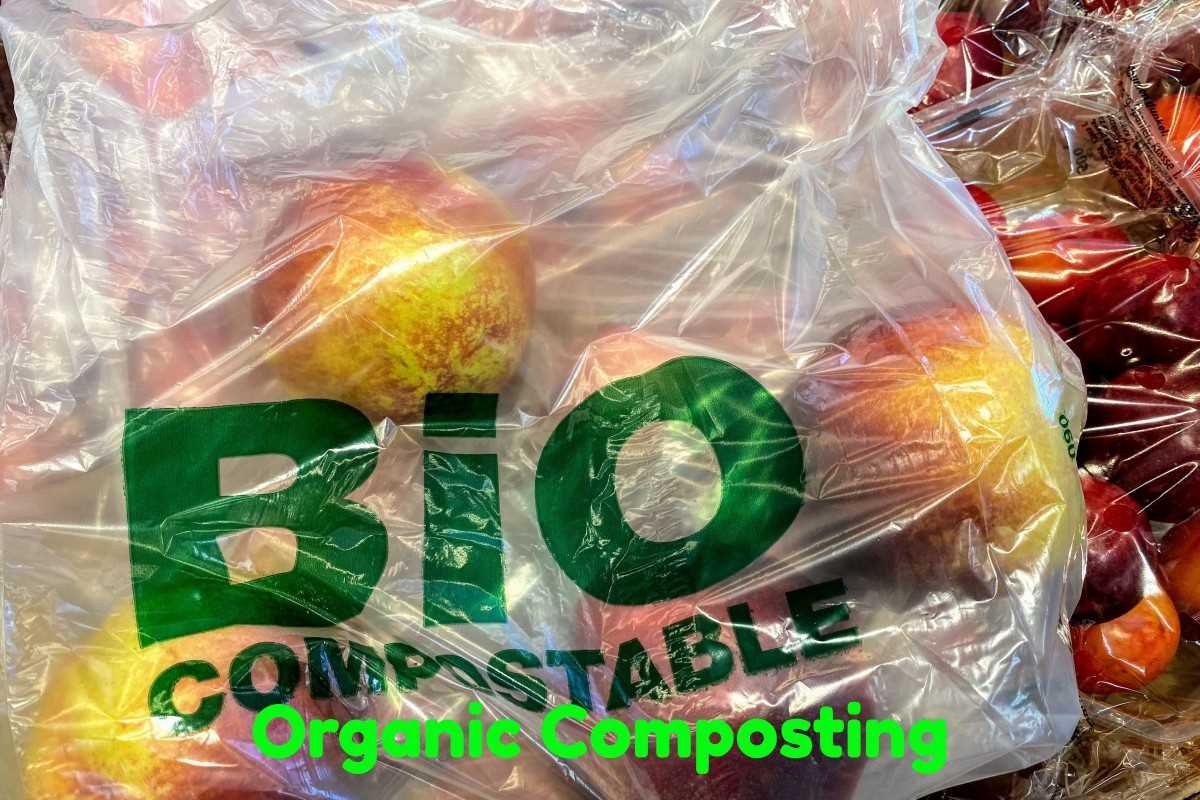
With sustainability becoming an increasingly critical issue, more and more people are looking for ways to reduce their environmental impact. One simple but effective solution is to start composting organic waste at home by using an organic compost bin. Not only does it help reduce landfill waste, but it also produces nutrient-rich soil that can be used for gardening and farming.
In this article, we will guide you through the process of using an organic compost bin. We will provide all the information you need to get started, from choosing the right composting system to setting it up and troubleshooting common issues. We will also discuss the benefits of utilizing homemade compost and provide tips for successful organic waste management.
Key Takeaways:
- Organic compost bins are a sustainable option for managing waste at home.
- Composting can reduce landfill waste and produce nutrient-rich soil.
- Choosing the right composting system is crucial to ensuring effective organic waste management.
- Setting up and maintaining an organic compost bin requires proper layering and moisture management.
- Homemade compost can be used as a natural fertilizer for plants.
- Troubleshooting common composting problems is essential to maintaining a healthy compost bin.
- Successful organic waste management requires reducing food waste and proper waste segregation.




June 14, 2026 15:20
What is an Organic Compost Bin?
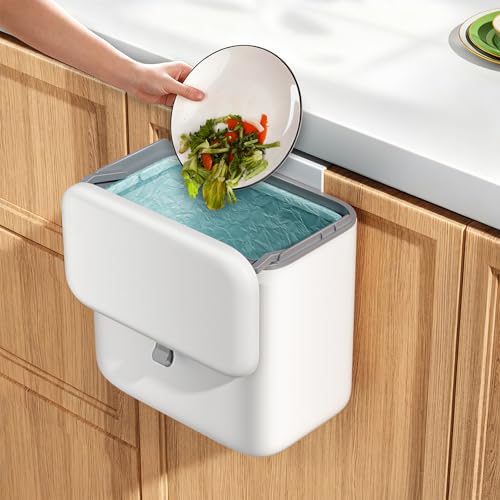
An organic compost bin is a container designed to facilitate the natural breakdown of organic materials such as food scraps and yard waste into nutrient-rich soil. Composting is a natural process that involves the breakdown of organic materials by microorganisms, such as bacteria and fungi, into a soil-like substance called compost.
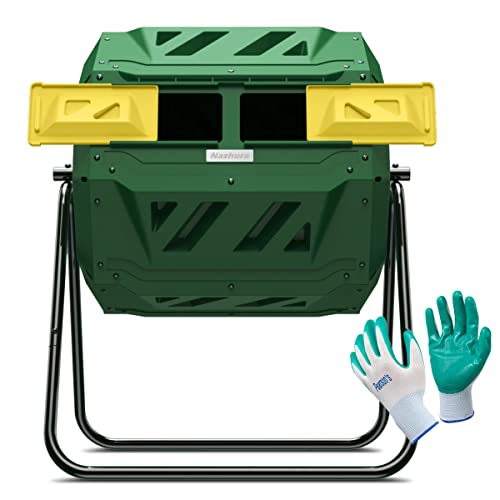
There are several types of organic compost bins, including backyard composting systems, worm composting, and compost tumblers. Backyard composting involves creating a compost pile or bin in your backyard, while worm composting involves using special composting worms to break down the organic material. Compost tumblers are a type of bin that can be rotated to mix the compost and speed up the decomposition process.
Organic compost bins are a valuable tool for organic waste management, as they help reduce the amount of organic waste sent to landfills, create a nutrient-rich soil amendment for gardening, and promote sustainable living practices.
Benefits of Using an Organic Compost Bin
Composting is a powerful tool for managing organic waste, and an organic compost bin is an excellent way to get started. Here are some of the top benefits of using an organic compost bin:
| Benefit | Description |
|---|---|
| Reduces Landfill Waste | By composting kitchen scraps, yard waste, and other organic materials, you can divert up to 30% of household waste from landfills, where it would otherwise generate harmful greenhouse gases. |
| Improves Soil Quality | Composting produces rich, nutrient-dense soil that can improve the health and fertility of your garden or houseplants. |
| Promotes Sustainable Gardening Practices | Composting is an eco-friendly way to support the growth of healthy plants, reduce reliance on chemical fertilizers, and minimize water use. |
| Environmental and Economic Advantages | Using an organic compost bin is an affordable and sustainable way to manage waste, reduce your carbon footprint, and support a more circular economy. |
By composting at home, you can make a significant positive impact on the environment and your community. Not only does it reduce the amount of waste sent to landfills, but it also helps to conserve natural resources and support local food systems.
Choosing the Right Organic Compost Bin
If you’re looking to start composting in your own backyard, choosing the right organic compost bin is key. But with so many types and options available, how do you decide which one is best for your needs?


June 14, 2026 15:20
| Factor to Consider | Important Features |
|---|---|
| Size | Make sure the bin is large enough to accommodate your family’s organic waste, but not too large that it becomes difficult to turn or maintain. |
| Materials | Consider the materials used to make the bin, such as wood, plastic, or metal. Each material has its own pros and cons, so choose one that suits your needs and budget. |
| Features | Look for features like aeration holes, a secure lid, and easy access to the compost pile for maintenance. |
Another option to consider is a compost tumbler, which allows for easier turning and faster composting times. However, they tend to be more expensive than traditional bins.
When choosing a composting system, it’s important to also consider your personal preferences and composting goals. Some people prefer a more hands-on approach, while others want a low-maintenance system. Ultimately, the right composting system is one that fits your needs and lifestyle.
Setting Up Your Organic Compost Bin
Setting up your organic compost bin is easy! Follow these simple steps:
- Choose the right location – a shady area that is easily accessible and has good drainage.
- Layer organic materials – start with a layer of browns (dry leaves, sawdust) followed by a layer of greens (fruit and vegetable scraps, grass clippings), and repeat until the bin is 3/4 full.
- Add water – ensure the compost is moist but not soaking wet.
- Mix often – turning the pile every week or two will speed up the composting process.
Follow these composting tips for the best results:
- Aerate the pile regularly to prevent odors and allow oxygen to enter.
- Do not add meat, dairy, or oil to the compost bin as they will attract pests and slow down decomposition.
- Chop larger pieces of organic material into smaller, bite-sized pieces for quicker decomposition.
If you encounter any problems, such as foul odors or slow decomposition, check the moisture and balance of your compost. A proper balance of browns and greens is crucial for a healthy compost pile.
By following these steps and tips, you can successfully set up and maintain an organic compost bin at home.
Composting in Small Spaces
Living in a small space doesn’t have to mean giving up on composting. There are several innovative solutions that can help you compost effectively, even in limited spaces.
If you have a balcony or patio, consider using a small-scale outdoor composting system, such as a tumbling composter or a compact compost bin. These are designed to take up minimum space while still producing high-quality compost.
Alternatively, you can try indoor composting systems, which are specifically designed for small spaces. Some examples include worm composting (vermiculture) or bokashi composting, which uses a special mixture of microorganisms to break down food waste.
Another option is to join a community composting initiative if one is available in your area. These programs typically provide residents with access to larger-scale composting systems, which can accept more organic waste than a small-scale system. It’s a great way to compost your waste while also supporting your local community.
Utilizing Homemade Compost
After successfully maintaining your organic compost bin, you’ll likely have a steady supply of nutrient-rich soil that you can use in various ways to enhance your green space.
First and foremost, you can add the homemade compost to your garden soil to improve its overall quality. This will help your plants grow healthier and stronger while also reducing the need for chemical fertilizers.
If you’re not an avid gardener, you can still make use of your compost by creating a natural fertilizer for your potted plants. Mix equal parts of your homemade compost, sand, and soil to create a nutrient-rich and well-draining potting mix that will help your plants thrive.
You can also make compost tea by steeping a handful of your homemade compost in water for a few days. This liquid fertilizer can be used to water your plants or as a foliar spray to give them a nutrient boost.
So don’t let your hard work go to waste. Utilize your homemade compost in a variety of ways to improve your green thumb and reduce your environmental impact!
Troubleshooting Common Composting Problems
Composting is a simple and effective way to manage organic waste at home, but it’s not always a smooth process. Here are some common composting problems and solutions:
| Problem | Solution |
|---|---|
| Foul Odors | Make sure you have the right balance of browns (carbon-rich materials) and greens (nitrogen-rich materials). Turn the compost more frequently to aerate it and add more browns to absorb the excess moisture. |
| Pests | Avoid putting meat, dairy, or oily foods in your compost bin, as they attract pests. Cover your compost with a layer of soil or newspaper, and use a closed bin to keep pests out. |
| Excessive Moisture | Add more browns to absorb the excess moisture, turn the compost more frequently to aerate it, and cover the bin with a lid to prevent rainwater from getting in. |
| Slow Decomposition | Ensure that your compost bin is getting enough air and moisture, and that you’re adding the right balance of browns and greens. If your compost is still not decomposing, try adding a compost starter or accelerator to speed up the process. |
To prevent these problems from occurring in the first place, it’s important to maintain a proper balance of organic materials in your compost bin. This means adding roughly equal parts of browns and greens, and avoiding any materials that could disrupt the balance.
Additional Tips:
- Don’t add any diseased plants or weeds to your compost bin, as it can spread diseases to your garden.
- Don’t add any pet waste or litter to your compost bin, as it can contain harmful bacteria.
- Make sure your compost bin is in a well-drained area, away from direct sunlight.
- Avoid composting any materials that have been treated with pesticides or other chemicals.
By following these tips and troubleshooting solutions, you can ensure a successful composting experience and turn your food scraps and yard waste into nutrient-rich soil for your garden.
Tips for Successful Organic Waste Management
Composting is just one piece of the puzzle when it comes to successful organic waste management at home. Here are some additional tips to help ensure you’re doing your part:
- Reduce food waste: Plan meals carefully to avoid overbuying and spoiling food. Freeze leftovers, and use them for future meals.
- Proper waste segregation: Separate organic waste from non-organic waste to make composting more efficient. Avoid including items such as plastic, glass, and metal in your compost bin.
- Use compostable alternatives: Switch to compostable alternatives to reduce the amount of non-organic waste you generate. Opt for products made from bamboo, cornstarch, or paper instead of plastic.
- Participate in community composting: Check to see if your community has a composting program or community garden. Get involved and support these initiatives to promote sustainable living in your area.
By incorporating these tips into your daily routine, you can make a significant impact on reducing your environmental footprint and promoting sustainable living practices.
Conclusion
After reading this article, we hope you understand the value and benefits of using an organic compost bin for eco-friendly waste management at home. Composting is a sustainable practice that can significantly reduce your environmental impact and contribute to healthier soil and plants.
Remember, when choosing an organic compost bin, consider factors such as size, materials, and features, and follow our tips for setting up and maintaining your composting system correctly.
Start Composting Today!
Whether you’re composting in a small space or have a backyard garden, there is a composting system that will work for you. By reducing food waste and properly managing organic materials, you’re taking a step towards a more sustainable lifestyle.
Don’t forget to utilize your homemade compost as a natural fertilizer for your garden or potted plants. And if you encounter any problems, refer to our troubleshooting guide for solutions.
Join the growing community of composters and make a positive impact on the environment today!
Q: What is an Organic Compost Bin?
A: An organic compost bin is a container specifically designed for composting organic waste materials. It provides an enclosed environment where natural decomposition can occur, converting kitchen scraps, yard waste, and other organic matter into nutrient-rich compost.
Q: What are the benefits of using an Organic Compost Bin?
A: Using an organic compost bin has numerous benefits. It helps reduce landfill waste by diverting organic materials from the trash. Additionally, composting improves soil quality, enriches garden beds, and promotes sustainable gardening practices. Composting at home also has environmental and economic advantages.
Q: How do I choose the right Organic Compost Bin?
A: When choosing an organic compost bin, consider factors such as size, materials, and features. Determine the amount of waste you generate and choose a bin that can accommodate it. Look for bins made of durable materials like plastic or wood. Consider features like ventilation, ease of turning, and odor control. Compost tumblers are a popular alternative option.
Q: How do I set up my Organic Compost Bin?
A: To set up your organic compost bin, start by selecting a suitable location. Layer organic materials such as kitchen scraps, yard waste, and shredded paper. Maintain proper moisture levels by watering the compost pile as needed. Turn the compost regularly to aerate it and speed up decomposition. Troubleshoot common issues like foul odors or pests, and follow composting tips to ensure success.
Q: How can I compost in small spaces?
A: Composting in small spaces is possible with innovative solutions. Consider using indoor composting systems like worm composting (vermiculture). You can also utilize compact compost bins specifically designed for limited spaces. These options allow you to compost effectively even if you live in a high-rise flat or have a small outdoor area.
Q: How can I utilize homemade compost?
A: Homemade compost can be utilized in various ways. Incorporate it into your garden soil to enrich its nutrients and improve plant growth. Use compost as a natural fertilizer for your plants, or create potting mix for potted plants. Compost tea, a liquid fertilizer made from steeping compost in water, can also be used to nourish your plants.
Q: How do I troubleshoot common composting problems?
A: Common composting problems can be solved with proper troubleshooting. To address foul odors, adjust the carbon-to-nitrogen ratio by adding more brown materials like dry leaves or shredded paper. To deter pests, cover the compost pile with a layer of soil or use a compost bin with a secure lid. Excessive moisture can be managed by adding dry materials and turning the compost more frequently. Slow decomposition may indicate the need for a balanced mix of green and brown materials.
Q: What are some tips for successful organic waste management?
A: Successful organic waste management begins with reducing food waste. Properly segregate organic waste from other types of waste and consider composting as part of your sustainable lifestyle. Embrace the benefits of composting and explore community composting initiatives if available in your area.