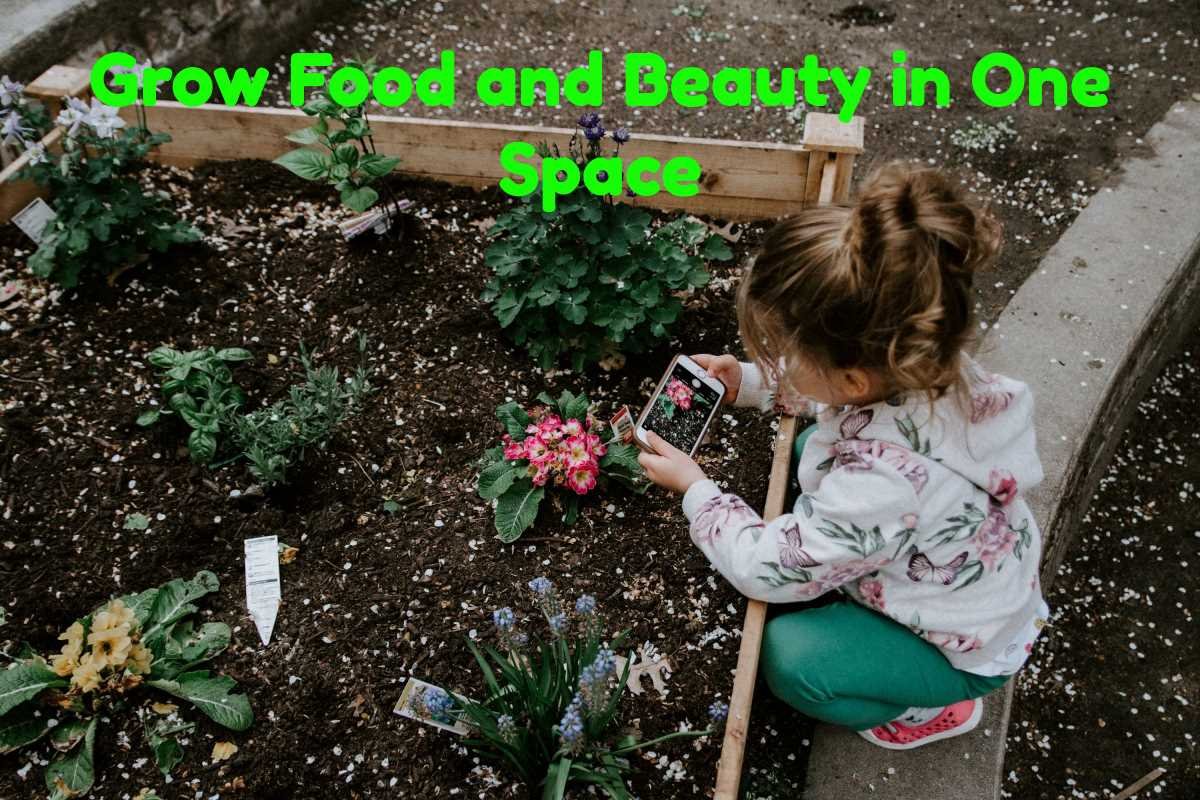
Grow Beauty and Bounty: Designing Your Own Edible Garden
What Is an Edible Garden?
Definition and Benefits
An edible garden is a thoughtfully designed outdoor space where ornamental beauty meets functionality—featuring herbs, fruits, vegetables, and edible flowers integrated into your landscape. This approach, often called “foodscaping,” not only enhances the visual appeal of your garden but also provides fresh, organic produce right at your doorstep. Benefits include reduced grocery bills, minimized environmental impact, and the joy of harvesting your own food. (AP News)
Aesthetic vs. Practical Considerations
Designing an edible garden involves balancing visual appeal with practicality. Incorporate colorful vegetables like rainbow chard or purple basil alongside traditional ornamentals. Utilize vertical space with trellises for climbing plants, and consider raised beds for better soil control and accessibility. (The Spruce)
Planning Your Edible Garden Design
Assessing Your Space
Begin by evaluating your available space, sunlight exposure, and soil quality. Most edible plants require at least 6 hours of direct sunlight daily. For small or urban spaces, consider container gardening or vertical planters to maximize yield.
Choosing the Right Plants
Select plants suited to your climate, soil, and personal preferences. Start with easy-to-grow options like tomatoes, lettuce, and herbs. Incorporate a mix of perennials and annuals to ensure continuous harvests. Companion planting—such as pairing basil with tomatoes—can enhance growth and deter pests. (Reddit, The Times)
Layout and Design Principles
Design your garden with accessibility and aesthetics in mind. Use raised beds or containers for better soil management and ease of maintenance. Incorporate pathways for easy access, and group plants with similar water and sunlight needs together. Utilize vertical structures like trellises to save space and add visual interest. (FoodPrint, The Sun)
Maintaining and Evolving Your Garden
Watering and Soil Health
Consistent watering is crucial—aim for deep, infrequent watering to encourage strong root systems. Enhance soil fertility by adding organic matter like compost, and maintain a soil pH around 6.5 for optimal nutrient uptake. (KidsGardening – Helping Young Minds Grow)
Pest Management in Edible Gardens
Implement natural pest control methods to protect your plants. Introduce beneficial insects like ladybugs, use neem oil sprays, and practice crop rotation to minimize pest infestations. Regularly inspect plants for signs of disease or pests to address issues promptly.
Harvesting and Crop Rotation
Harvest produce at its peak for the best flavor and nutritional value. Regular harvesting also encourages continued production. Practice crop rotation by changing plant locations each season to prevent soil depletion and reduce disease risk.
Additional Resources
- Real Simple: Benefits of Raised Garden Beds
- FoodPrint: Edible Landscaping Tips
- Jim’s Mowing: Creating an Edible Garden
For a visual guide on transforming your yard into an edible landscape, check out this informative video:(YouTube)
How to Make an Edible Front Yard Landscape(YouTube)
Ready to embark on your edible gardening journey? With thoughtful planning and care, you can create a garden that’s both beautiful and bountiful.