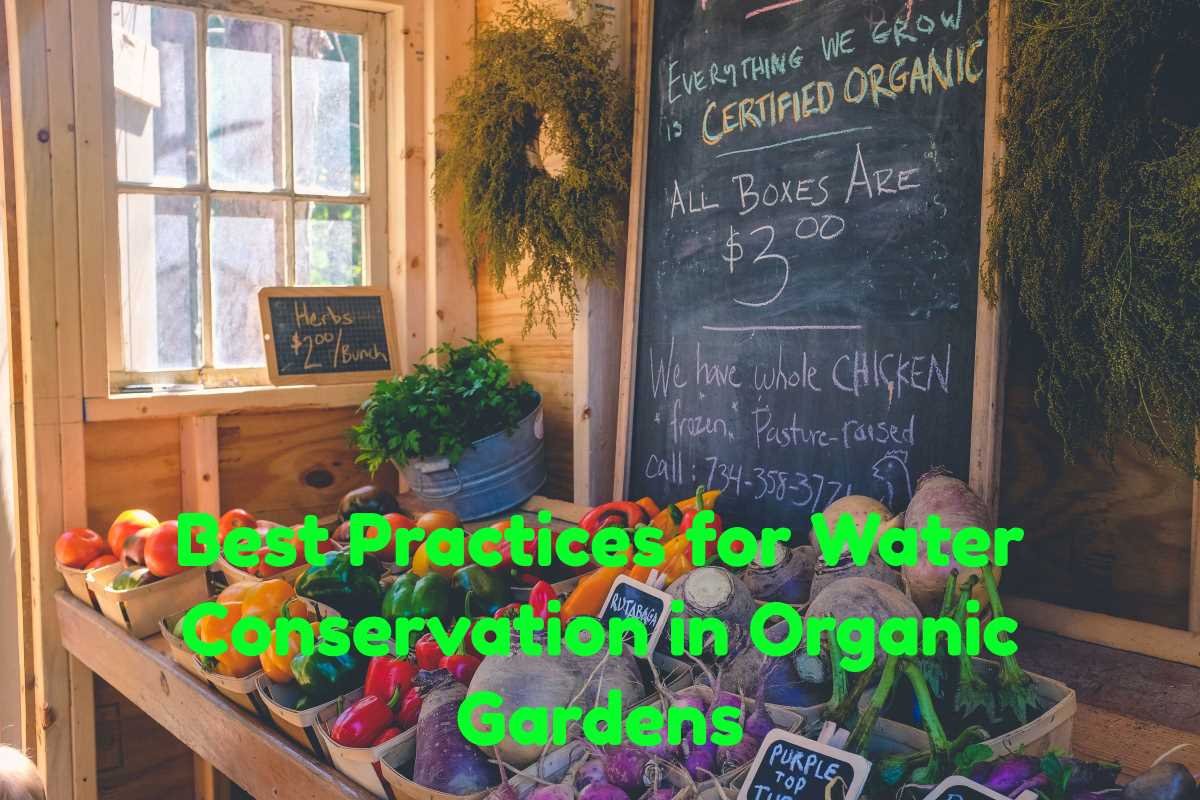
If you’re an organic gardener, you already know the importance of taking care of the environment. One way to do this is by conserving water in your garden. Water is a precious resource, especially in areas with drought or water restrictions. By implementing sustainable water practices in your organic garden, you can not only protect the environment but also save money on your water bill.
In this article, we’ll explore the best practices for water conservation in organic gardens. From understanding your plants’ water needs to implementing efficient irrigation methods, we’ll cover everything you need to know to conserve water in your garden.
Key Takeaways
- Water is a precious resource, and conserving it in your organic garden helps protect the environment and save money on your water bill.
- Understanding your plants’ water needs is crucial for water conservation in organic gardening.
- Choosing water-efficient plants, preparing the soil for water retention, implementing efficient irrigation methods, and mulching are all effective strategies for conserving water in organic gardens.
- Implementing complementary strategies such as rainwater collection and proper monitoring and adjusting of water usage can further promote sustainable water practices in your organic garden.



June 17, 2026 07:17
Importance of Water Conservation in Organic Gardens
If you’re an organic gardener, you likely care about protecting the environment and preserving natural resources. Water conservation is a crucial part of that effort. By using eco-friendly garden water conservation practices, you can help maintain a sustainable ecosystem and reduce water waste.
Organic gardening water conservation practices are especially important because they promote healthy soil and plant growth. When you conserve water, you’re also supporting the biodiversity of your garden, including beneficial organisms like earthworms and insects. Additionally, using sustainable water practices for gardens can lower your utility bills and increase your garden’s resilience to drought and other weather conditions.
Understanding Water Needs in Organic Gardens
When it comes to water conservation in organic gardens, it’s essential to understand the water needs of your plants. Different plant species have different water requirements, and factors such as soil type and climate conditions can also impact how much water your garden needs.
One way to determine the water needs of your garden is to perform a soil test. This can help you identify the type of soil you have and determine its water-holding capacity. Sandy soil, for example, drains water quickly and may require more frequent watering, while clay soil retains water for longer periods and needs less frequent watering.
The climate in your area also plays a role in your garden’s water needs. If you live in a hot, dry climate, your plants will require more water than if you live in a cooler, more humid area. Be sure to take into account the temperature and rainfall patterns in your region when planning your watering schedule.
Finally, it’s important to consider the specific water requirements of the plants in your garden. Some plants, such as succulents and cacti, have low water requirements and can thrive in drier conditions. Other plants, such as tomatoes and cucumbers, require more water and should be watered more frequently.
Factors to Consider for Determining Water Needs
Here are some of the factors to consider when determining the water needs of your organic garden:
| Factor | Impact on Water Needs |
|---|---|
| Soil type | Different soil types have different water-holding capacities, which impacts how often you’ll need to water your plants. |
| Plant species | Plants have different water requirements, so it’s essential to know what you’re growing and how much water it needs. |
| Climate conditions | The temperature and rainfall patterns in your region will impact how much water your garden needs. |
| Stage of growth | Plants have different water requirements at different stages of their growth cycle, with younger plants generally requiring more water than mature plants. |
| Time of day | Watering your plants in the morning or evening, when temperatures are cooler, can help reduce moisture loss due to evaporation. |
By taking into account these factors and monitoring the moisture levels in your soil regularly, you can ensure that you’re providing your organic garden with the right amount of water it needs to thrive while also conserving this precious resource.
Choosing Water-Efficient Plants
One of the most effective ways to conserve water in your organic garden is to choose plants that require minimal watering. By selecting water-efficient plants, you can significantly reduce your water usage and create a more sustainable garden.
Here are some tips for choosing water-efficient plants:
| Tip | Description |
|---|---|
| Plant Native Species | Native plants are adapted to local climate and soil conditions, making them naturally drought-resistant. They require less watering and maintenance than non-native varieties. |
| Choose Drought-Tolerant Varieties | Drought-tolerant plants have evolved to survive in arid conditions, and they can thrive with minimal watering. Look for plants with silver or gray foliage, which is a sign of drought tolerance. |
| Select Low-Water Plants | Plants with low water requirements are ideal for water conservation in organic gardens. Look for plants with succulent leaves, which store water efficiently, or plants with deep taproots, which can access water deep in the soil. |
By choosing water-efficient plants, you can significantly reduce your water usage while still enjoying a beautiful and thriving organic garden. Remember to research the water requirements of each plant species before adding it to your garden.
Soil Preparation for Water Conservation
If you want to conserve water in your organic garden, it is essential to start with proper soil preparation. Healthy soil promotes efficient water usage and helps retain moisture, reducing the need for excessive watering. Here are some soil preparation techniques to promote water conservation in your organic garden:
1. Add Organic Matter
Adding organic matter, such as compost, to your soil improves its structure and water-holding capacity. Organic matter absorbs and releases water slowly, reducing the risk of waterlogged or dry soil. Spread a layer of organic matter over the soil surface and work it in with a garden fork or tiller. Aim for a layer about 2-3 inches thick.
2. Improve Soil Structure
Soil structure refers to the arrangement of soil particles and the spaces between them. Soil with good structure allows air and water to circulate freely, promoting plant growth and reducing the risk of water runoff. To improve soil structure, avoid walking on garden soil when it is wet, as this can cause compaction. Instead, use raised beds or pathways to access your plants.
3. Mulch Your Garden
Mulching is a technique of adding a layer of organic or inorganic material over the soil surface to reduce moisture loss, suppress weed growth, and maintain a stable soil temperature. Mulch acts as a barrier, preventing evaporation and runoff of water from the soil. Apply a layer of mulch about 2-3 inches thick around your plants, leaving a small gap around the stems to prevent rotting.
By following these strategies for soil preparation, you can promote water conservation in your organic garden and create a healthy, sustainable growing environment for your plants.
Efficient Irrigation Methods
Watering your organic garden efficiently is an essential aspect of water conservation. Conventional sprinkler systems can waste water through evaporation and runoff, but there are more efficient methods available.
Drip Irrigation
Drip irrigation is a highly efficient method of watering plants by delivering water directly to the roots through a network of hoses and emitters. This ensures that water is delivered only where it is needed and reduces water loss due to evaporation and runoff. Additionally, drip irrigation can be set up with a timer system, allowing you to automate your watering schedule and avoid overwatering.
Soaker Hoses
Soaker hoses release water slowly and evenly, reducing water waste and ensuring that water is delivered directly to the roots. They are easy to install and can be used to water individual plants or entire garden beds.
Rainwater Harvesting
Collecting rainwater is an excellent way to reduce reliance on freshwater sources and promote sustainable water practices. Installing a rain barrel or other type of rainwater collection system allows you to capture and store rainwater for use in your garden. This can help conserve municipal water resources and reduce your water bill, while providing an all-natural source of water for your plants.
By implementing efficient irrigation methods in your organic garden, you can significantly reduce water waste and promote sustainable water practices.
Mulching for Water Retention
Mulching is a key strategy for promoting water conservation in organic gardens. By adding a layer of organic material to the soil surface, you can help retain moisture, suppress weeds, and maintain a more stable soil temperature.
Mulch can be made from a variety of materials, including leaves, straw, grass clippings, and wood chips. When choosing your mulch, consider the climate and soil conditions in your area, as well as the needs of your plants.
| Pros of Mulching | Cons of Mulching |
|---|---|
| Retains moisture in the soilReduces weed growthImproves soil structure and fertilityReduces erosion and soil compaction | May attract pests or harbor diseaseCan interfere with seed germination if too thickMay need to be replenished annually |
To apply mulch, spread a layer of material 2 to 3 inches thick around the base of your plants, taking care not to pile it against the stems. Avoid using too much mulch, which can create a barrier that water cannot penetrate.
By adding mulch to your organic garden, you can conserve water, improve soil health, and create a more sustainable ecosystem.
Proper Watering Techniques
Watering your organic garden properly is essential to ensure your plants thrive while also conserving water. Here are some tips to help you water your garden efficiently:
- Water in the early morning: Watering your garden in the early morning, before the heat of the day, helps prevent water evaporation and ensures the plants have sufficient moisture throughout the day.
- Avoid overwatering: Overwatering can be harmful to plants, as it can lead to root rot and other soil-borne diseases. To avoid overwatering, only water your plants when the soil is dry to the touch.
- Monitor soil moisture: To ensure your plants are getting adequate water, monitor the moisture level of the soil regularly. You can use a moisture meter or simply stick your finger into the soil to determine if it’s dry.
- Water deeply: When you water your plants, water deeply to encourage the roots to grow downward, where they can access nutrients and water more efficiently. Shallow watering can lead to weaker, more shallow roots.
By following these simple watering techniques, you can help conserve water while also ensuring your organic garden thrives.
Implementing a Rainwater Collection System
To further reduce the amount of freshwater required for your organic garden, consider implementing a rainwater collection system. This eco-friendly practice can save you money on your water bill and provide a sustainable source of water for your plants.
To create a rainwater collection system, you will need a collection container, such as a barrel or cistern, and a downspout diverter to direct rainwater into the container. Place the collection container near your garden and use a hose or spigot to access the stored rainwater.
| Benefits of Rainwater Collection: |
|---|
| Reduces reliance on freshwater sources |
| Utilizes a sustainable water supply |
| Can save you money on your water bill |
Be sure to use a cover or screen on your collection container to keep out debris and prevent mosquito breeding. It is also important to clean the container regularly to prevent the growth of harmful bacteria.
Monitoring and Adjusting Water Usage
One of the most important aspects of water conservation in organic gardens is monitoring and adjusting your water usage. By keeping track of your water usage, you can identify areas where you might be wasting water and adjust your practices accordingly. Here are some tips for monitoring and adjusting your water usage:
- Use a water meter to monitor your water usage. This will allow you to track your water consumption and identify any spikes in usage that might indicate leaks or other issues.
- Track rainfall in your area. By keeping track of rainfall, you can adjust your irrigation schedule to account for any precipitation that might have already watered your plants.
- Modify your irrigation schedule based on your plants’ needs. Be sure to water your plants according to their specific needs – for example, some plants might require more water during hot weather, while others might need less water during the cooler months.
- Consider installing a soil moisture sensor in your garden. These sensors can help you determine when your plants need water, so you can avoid overwatering or underwatering.
- Adjust your irrigation system to be more efficient. For example, you might consider using drip irrigation instead of sprinklers, which can reduce water waste due to evaporation and runoff.
By monitoring and adjusting your water usage, you can help ensure that your organic garden is using water as efficiently as possible, while still providing your plants with the moisture they need to thrive.

June 17, 2026 07:17
Complementary Strategies for Water Conservation
In addition to the best practices discussed earlier, there are several complementary strategies you can implement in your organic garden to further conserve water.
Companion Planting
Using companion planting in your garden can help reduce water needs by creating a mutually beneficial relationship between plants. For example, planting beans near corn can improve the soil’s water-holding capacity, while planting herbs like chamomile and yarrow alongside vegetables can help minimize water stress.
Organic Fertilizers
Using organic fertilizers like compost and mulch can improve your soil’s ability to retain water, reducing the need for additional watering. These fertilizers increase soil organic matter and improve soil structure, allowing the soil to retain water more effectively.
Shade Structures
Creating shade structures in your garden can help reduce evaporation and minimize water loss. This can be achieved by installing trellises or placing shade cloth over plants to reduce sunlight exposure and evapotranspiration.
By combining these complementary strategies with the best practices discussed earlier, you can significantly reduce your water usage in your organic garden, while still maintaining a healthy and vibrant ecosystem.
Conclusion
Now that you have learned about the best practices for water conservation in your organic garden, it’s time to implement them! Remember that water conservation is not only beneficial for your garden but also for the environment. By using sustainable water practices, you can protect natural resources and maintain a healthy ecosystem.
Start by understanding the water needs of your plants and selecting water-efficient varieties. Prepare your soil with organic matter and mulch to retain moisture, and use efficient irrigation methods like drip or soaker hoses. Also, don’t forget to monitor and adjust your water usage to avoid waste and implement complementary strategies such as companion planting and organic fertilizers to improve water retention.
Implementing a rainwater collection system can also be a great way to reduce your reliance on freshwater sources. Remember to monitor your water usage and modify your irrigation schedule based on plant needs.
By following these water conservation practices, you can create a beautiful and sustainable organic garden. Don’t forget to share your experiences with others and encourage them to adopt water conservation practices in their own gardens!
FAQ
Q: Why is water conservation important in organic gardens?
A: Water conservation is crucial in organic gardens to protect natural resources and maintain a sustainable ecosystem.
Q: What factors should I consider when understanding the water needs of my organic garden?
A: Factors such as soil type, plant species, and climate conditions should be considered when understanding the water needs of your organic garden.
Q: How can I choose water-efficient plants for my organic garden?
A: You can select water-efficient plants for your organic garden by choosing native species, drought-tolerant varieties, and plants with low water requirements.
Q: What are some soil preparation techniques for water conservation in organic gardens?
A: Soil preparation techniques for water conservation in organic gardens include adding organic matter, improving soil structure, and mulching.
Q: What are some efficient irrigation methods for organic gardens?
A: Efficient irrigation methods for organic gardens include drip irrigation, soaker hoses, and rainwater harvesting.
Q: How does mulching promote water retention in organic gardens?
A: Mulching in organic gardens helps retain moisture, suppress weeds, and maintain a more stable soil temperature.
Q: What are some proper watering techniques to conserve water in organic gardens?
A: Proper watering techniques in organic gardens include watering in the early morning, avoiding overwatering, and monitoring soil moisture.
Q: What are the benefits of implementing a rainwater collection system in organic gardens?
A: Implementing a rainwater collection system in organic gardens reduces reliance on freshwater sources and utilizes a sustainable water supply.
Q: How can I monitor and adjust water usage in my organic garden?
A: You can monitor and adjust water usage in your organic garden by using water meters, tracking rainfall, and modifying irrigation schedules based on plant needs.
Q: What are some complementary strategies for water conservation in organic gardens?
A: Complementary strategies for water conservation in organic gardens include companion planting, using organic fertilizers to improve water retention, and creating shade structures to reduce evaporation.