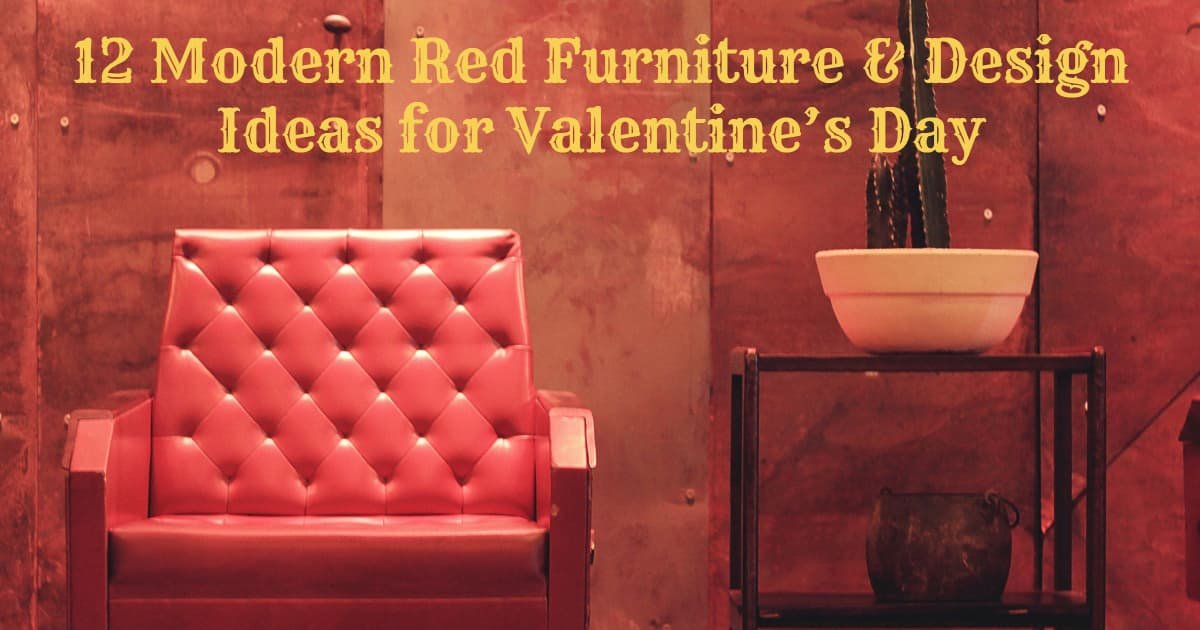
Red has been the color of passion, power, and romance throughout history, from the crimson robes of Roman emperors to the scarlet chambers of luxury hotels. In interior design, red creates an immediate emotional response—it can make spaces feel intimate and cozy or bold and dramatic, depending on how it’s deployed.
The psychology of red in our living spaces is fascinating: it stimulates conversation, increases energy levels, and creates feelings of warmth and connection, making it the perfect color choice for Valentine’s Day and beyond.
The key to successfully incorporating red furniture into modern homes lies in understanding balance and intentionality. Too little red, and the impact is lost; too much, and spaces can feel overwhelming or even aggressive. The modern approach to red furniture embraces this challenge by treating red pieces as carefully chosen statements that anchor entire room designs, supported by complementary colors and textures that enhance rather than compete.
Contemporary red furniture has evolved far beyond the heavy, traditional pieces of decades past. Today’s designs emphasize clean lines, luxurious materials, and innovative forms that work beautifully in minimalist, maximalist, and everything-in-between interior styles. The versatility of modern red furniture lies in its ability to serve as both functional pieces and artistic statements, transforming ordinary rooms into spaces with personality and emotional depth.
1. Red Velvet Sofa: The Ultimate Romantic Statement
A red velvet sofa represents the pinnacle of romantic furniture design, combining the sensual texture of velvet with the passionate energy of red. Velvet itself has a unique quality—it appears to change color depending on how light hits it, creating visual depth and movement that keeps the piece interesting from every angle. This characteristic makes red velvet particularly striking, as it can appear deep burgundy in shadows and bright crimson in direct light.

July 26, 2026 05:41
The modern red velvet sofa has been reimagined for contemporary living. Where traditional versions might have been heavy and ornate, today’s designs often feature sleek profiles, tapered legs, and clean lines that prevent the piece from overwhelming smaller spaces. The key is in the proportions: a well-designed red velvet sofa should feel substantial enough to anchor a room without dominating it entirely.
From a design psychology perspective, a red velvet sofa creates what designers call a “conversation magnet”—a piece so visually compelling that it naturally draws people together. This makes it perfect not just for romantic evenings but for any social gathering where you want to encourage interaction and connection.
Product Concept: Look for a three-seat velvet sofa in deep crimson with a solid hardwood frame, featuring slightly flared arms and brass-capped legs. The velvet should have a cotton backing for durability, with loose back cushions for comfort and easy maintenance. Ideal dimensions would be around 84 inches long, 36 inches deep, and 32 inches high.
2. Red Accent Chairs: Sophisticated Color Punctuation
Red accent chairs serve as the exclamation points of interior design—they add drama and personality without the commitment required by larger pieces. The beauty of a red accent chair lies in its ability to transform any corner of your home into a intentional, designed space. Whether it’s a reading nook in the bedroom, a conversation area in the living room, or even a dramatic statement in a home office, red accent chairs bring instant sophistication.

June 12, 2026 22:34
The versatility of red accent chairs comes from their scale. Unlike sofas or sectionals that must work with existing seating arrangements, accent chairs can be moved, repositioned, and even relocated to different rooms as your needs change. This flexibility makes them perfect for people who like to refresh their spaces regularly or who are still discovering their design preferences.
Modern red accent chair designs range from sleek, angular pieces that emphasize geometric forms to curved, embracing designs that prioritize comfort. The choice between leather, fabric, or mixed materials depends on both aesthetic preferences and practical considerations. Leather ages beautifully and is easy to maintain, while fabric options offer more texture and warmth. Mixed-material chairs that combine different textures can serve as interesting focal points that bridge different design elements in a room.
Product Concept: Consider a mid-century modern accent chair upholstered in rich burgundy leather with a walnut wood frame. The design would feature a slightly reclined back, curved armrests, and a swivel base for maximum functionality. The seat height should be standard at 18 inches, with overall dimensions of approximately 30 inches wide, 32 inches deep, and 31 inches high.
3. Red Dining Chairs: Creating Memorable Meals
The dining room is where families gather, friends connect, and romantic dinners unfold, making it a natural place to incorporate the emotional warmth of red furniture. Red dining chairs transform every meal into an event, creating an atmosphere that encourages lingering conversations and deeper connections. The psychology behind this is rooted in color theory: red stimulates appetite and conversation, making it scientifically as well as aesthetically perfect for dining spaces.

June 12, 2026 22:34
Modern red dining chairs must balance visual impact with practical considerations. Dining furniture takes more abuse than most other pieces—it’s moved frequently, subjected to spills, and must remain comfortable for extended periods. This means the construction, materials, and maintenance requirements become as important as the aesthetic appeal.
The trend in contemporary dining chair design has moved toward cleaner, more streamlined forms that complement rather than compete with table designs. This is particularly important with red chairs, as the color itself provides significant visual weight. Chairs with interesting but not overwhelming details—subtle curves, elegant proportions, or quality materials—work better than overly ornate designs that might create visual chaos when multiplied around a table.
Product Concept: Envision a set of four dining chairs featuring molded plywood seats and backs in a matte cherry red finish, supported by powder-coated steel legs in matte black. The ergonomic design would include a slight curve in the back for comfort, stackable design for storage, and protective floor glides. Dimensions would be 18-inch seat height, 18 inches wide, 22 inches deep, and 31 inches high overall.
4. Red Ottoman: Versatile Luxury
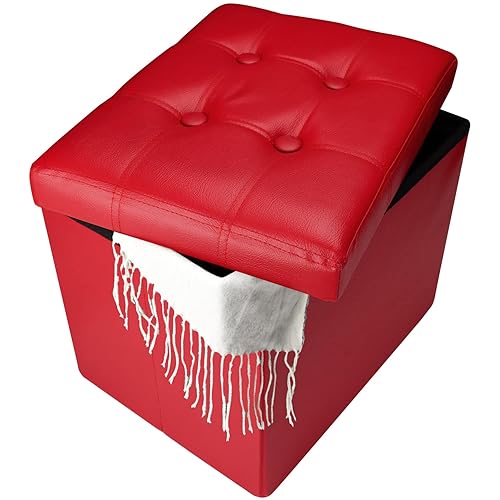
The ottoman is perhaps the most underrated piece in furniture design, yet it offers unparalleled versatility in how spaces function and feel. A red ottoman combines this functionality with visual impact, creating a piece that can serve as extra seating, a coffee table, footrest, or even storage, all while contributing to the room’s color scheme and emotional atmosphere.
June 12, 2026 22:34
The genius of a well-designed ottoman lies in its ability to adapt to different needs throughout the day. During a dinner party, it might serve as extra seating; during a movie night, it becomes a footrest; when you’re working from home, it can hold books or serve as an impromptu laptop table. This adaptability makes it perfect for modern living, where spaces often need to serve multiple functions.
Red ottomans work particularly well as bridging pieces—furniture that helps connect different elements in a room’s design. They can echo the red in artwork, complement red accents in rugs or pillows, or serve as a bold contrast to neutral color schemes. The key is choosing the right shade and texture to support rather than compete with other elements in the space.
Product Concept: Picture a large, round ottoman upholstered in deep red bouclé fabric with a hidden storage compartment. The piece would feature button tufting on top, a sturdy hardwood interior frame, and short, tapered walnut legs. Approximate dimensions would be 36 inches in diameter and 18 inches high, with the storage compartment accessed via a hinged top section.
5. Red Bedding & Headboards: Intimate Sanctuary Design
The bedroom is our most personal space, where we begin and end each day, making it the perfect place to experiment with colors that evoke emotion and comfort. Red in the bedroom creates an atmosphere of warmth and intimacy that’s both romantic and restful when executed thoughtfully. The key is understanding that not all reds are created equal—some energize, while others soothe.

June 12, 2026 22:34
A red headboard serves as the bedroom’s focal point, anchoring the entire space and providing a backdrop that makes the bed feel more substantial and intentional. The headboard’s height, shape, and texture all contribute to the room’s overall feel. Taller headboards create drama and make ceilings appear higher, while lower, horizontal designs emphasize width and create a more relaxed, modern feel.
The layering of red bedding requires a sophisticated understanding of tone and texture. Deep burgundy sheets might be paired with a lighter red comforter, accented with pillows in complementary shades like rose gold or dusty pink. The goal is creating depth and visual interest while maintaining a cohesive color story that supports rest and relaxation.
Product Concept: Envision an upholstered headboard in rich garnet-colored linen, featuring vertical channel tufting for texture and visual interest. The headboard would be wall-mounted for a floating effect, measuring 60 inches wide and 48 inches tall for a queen bed. Pair this with bedding in graduated shades: deep red bamboo sheets, a burgundy duvet cover, and accent pillows in rose and gold tones.
6. Red Coffee Table: Commanding Center Stage
The coffee table is the hub of living room activity—it’s where drinks are placed, games are played, books are displayed, and conversations happen. A red coffee table immediately announces itself as more than just functional furniture; it becomes a piece of functional art that anchors the entire seating arrangement and sets the tone for the space.

June 12, 2026 22:34
Modern red coffee table designs have moved away from traditional wood stains toward more sophisticated approaches like lacquered finishes, painted surfaces, or innovative materials like colored glass or metal. These contemporary approaches allow red coffee tables to work in a variety of design styles, from ultra-modern to eclectic maximalist.
The shape of a red coffee table significantly impacts how it functions in a space. Round tables encourage conversation and create better flow in smaller rooms, while rectangular tables offer more surface area and work better with longer sofas. Square tables can work in either scenario but require careful proportioning to avoid overwhelming the space or appearing too small for the seating arrangement.
Product Concept: Consider a rectangular coffee table featuring a high-gloss red lacquer top supported by a geometric black metal base. The design would include a lower shelf for storage, soft-close drawers on one end, and built-in cable management for modern living needs. Dimensions would be approximately 48 inches long, 24 inches wide, and 16 inches high.
7. Red Bookshelves: Intellectual Style Statements
Bookshelves are often treated as purely functional pieces, but a red bookshelf transforms storage into a design statement that reflects personality and creates visual interest. The color red brings energy and warmth to what might otherwise be a utilitarian piece, making the books and objects displayed appear more curated and intentional.

July 26, 2026 05:42
The modern approach to bookshelf styling has evolved beyond simply storing books alphabetically. Today’s bookshelves are curated displays that combine books with decorative objects, plants, and personal collections to create interesting visual compositions. A red bookshelf amplifies this effect by providing a vibrant backdrop that makes everything displayed appear more dramatic and purposeful.
Different shades of red work better for different design approaches. Bright, cherry red works beautifully in contemporary or eclectic spaces where bold statements are welcome. Deeper, more burgundy tones work better in traditional or sophisticated modern spaces where subtlety is preferred. The key is choosing a shade that complements rather than competes with the items you plan to display.
Product Concept: Imagine a modular bookshelf system in matte brick red, featuring asymmetrical compartments of varying sizes. The piece would be constructed from engineered wood with a durable painted finish, wall-mounted for a floating effect. Individual modules could be rearranged or added to as needs change, with the largest unit measuring approximately 72 inches wide, 84 inches tall, and 12 inches deep.
8. Red Bar Cart: Mobile Elegance
The bar cart represents a return to the sophistication of mid-century entertaining, updated for contemporary lifestyles. A red bar cart combines functionality with mobility, allowing you to bring the party anywhere in your home while serving as an attractive piece of furniture even when not in use. The mobility aspect is crucial—it allows for flexible entertaining and can be moved to different locations based on the season, occasion, or room arrangement.

July 26, 2026 05:42
Modern bar cart design has evolved to accommodate contemporary drinking habits and entertaining styles. While traditional bar carts focused primarily on alcohol storage, today’s designs often include space for coffee equipment, tea service, or even everyday dishes, making them more versatile for different households and occasions.
The styling of a red bar cart requires careful curation to avoid appearing cluttered or chaotic. The red color provides such visual weight that every item placed on it becomes more prominent, making thoughtful selection crucial. The goal is creating a display that looks intentional and sophisticated, whether it’s stocked with crystal decanters and vintage glassware or modern cocktail equipment and artisanal spirits.
Product Concept: Picture a two-tier bar cart with a powder-coated red steel frame and mirrored glass shelves. The design would feature large wheels for easy mobility, integrated bottle holders, a small drawer for bar tools, and hooks for hanging towels or utensils. Dimensions would be approximately 30 inches wide, 16 inches deep, and 32 inches high.
9. Red Side Tables: Perfect Supporting Actors
Side tables are the supporting actors of furniture design—they rarely get top billing, but they’re essential for making spaces function properly and feel complete. A red side table brings color and personality to these functional pieces, transforming necessary furniture into intentional design elements that contribute to the room’s overall aesthetic.

June 12, 2026 22:34
The beauty of red side tables lies in their flexibility and impact. They can be used individually to provide surface space next to chairs or sofas, paired for symmetrical arrangements, or even moved around as needs change. This flexibility makes them perfect for people who like to refresh their spaces regularly or who are still developing their design preferences.
Modern side table designs have become increasingly sculptural, with interesting shapes and materials that make them attractive even when not actively being used. A red side table should strike a balance between visual interest and functionality, providing enough surface space for everyday needs while contributing to the room’s aesthetic appeal.
Product Concept: Consider a cylindrical side table with a glossy red ceramic top and brass pedestal base. The design would feature a subtle lip around the edge to prevent items from sliding off, and the base would be weighted for stability. The proportions would be approximately 20 inches in diameter and 24 inches high, perfect for placement next to lounge chairs or at the end of sofas.
10. Red Storage Solutions: Organized Style
Storage is often seen as a necessary evil in interior design—we need it for organization, but it rarely contributes to a room’s aesthetic appeal. Red storage solutions change this dynamic by making organization part of the design strategy. When storage pieces are as visually appealing as they are functional, they can be displayed prominently rather than hidden away.

June 12, 2026 22:34
The key to successful red storage lies in choosing pieces that serve double duty. Storage ottomans provide seating and hidden storage; decorative boxes can organize smaller items while contributing to tabletop displays; stylish baskets can corral everything from throw blankets to children’s toys while adding texture and color to the room.
Modern red storage solutions have moved beyond traditional options to include innovative designs that work with contemporary lifestyles. This includes everything from modular systems that can be reconfigured as needs change to multifunctional pieces that serve several purposes simultaneously.
Product Concept: Envision a set of nested storage boxes in different shades of red—from deep burgundy to bright cherry—covered in textured linen fabric with brass corner details. The boxes would feature removable lids, fabric-lined interiors, and integrated label holders. Sizes would range from small (8x6x4 inches) to large (16x12x8 inches), allowing for versatile organization and display options.
11. Red Lighting: Atmospheric Illumination
Lighting design is one of the most powerful tools for creating atmosphere, and red lighting fixtures combine illumination with color impact. The psychological effects of red lighting are well-documented: it creates feelings of warmth, intimacy, and energy, making it perfect for spaces where you want to encourage conversation and connection.

July 26, 2026 05:42
Modern red lighting fixtures have evolved far beyond traditional lamp shades to include innovative designs that work as sculptural elements even when not illuminated. The key is choosing pieces that contribute to the room’s aesthetic during both day and night, serving as decorative objects that happen to provide light rather than purely functional fixtures.
The type of light produced is as important as the fixture itself. Red fixtures work best when they produce warm, soft light that enhances rather than competes with the color. Cool, bright light can make red fixtures appear harsh or overwhelming, while warm light enhances the cozy, intimate feeling that makes red so appealing in interior design.
Product Concept: Picture a table lamp with a geometric red ceramic base featuring a matte finish and brass accents, topped with a cream linen shade that softens and warms the light. The base would have an interesting angular form that creates visual interest, with the overall height being approximately 26 inches and the shade diameter 16 inches.
12. Red Wall Décor: Finishing Touches
Wall décor is where design schemes come together, providing the finishing touches that make spaces feel complete and intentional. Red wall décor can range from subtle accents that support existing color schemes to bold statements that create new focal points. The key is understanding how different types of wall décor function in relationship to the room’s other elements.

July 26, 2026 05:42
Artwork with red elements can tie together color schemes that might otherwise feel disjointed, while red frames can make existing artwork feel more intentional and connected to the room’s design. Decorative objects mounted on walls—everything from sculptural pieces to functional items like mirrors or shelves—can provide color while adding visual interest and personality.
The scale and placement of red wall décor significantly impacts its effectiveness. Large pieces work best as focal points and should be given adequate space to breathe, while smaller pieces work better in groups or as part of larger gallery wall arrangements. The goal is creating visual balance that supports rather than overwhelms the room’s other elements.
Product Concept: Consider a set of three abstract canvas prints in varying shades of red—deep burgundy, bright crimson, and soft rose—with subtle metallic accents. The pieces would be designed to work together as a series or individually, with standard frame sizes of 16×20 inches, 18×24 inches, and 20×30 inches, professionally mounted and ready to hang.
Creating Cohesive Red Design Schemes
Successfully incorporating multiple red pieces requires understanding color theory and visual balance. The goal is creating spaces that feel intentional and sophisticated rather than overwhelming or chaotic. This requires careful consideration of shade variation, texture mixing, and proportion management.
Different shades of red can work beautifully together when combined thoughtfully. Deep burgundy provides richness and sophistication, bright cherry red adds energy and personality, and softer rose tones bring warmth and femininity. The key is ensuring enough variation to create visual interest while maintaining enough similarity to feel cohesive.
Texture plays a crucial role in red design schemes. Mixing different textures—velvet, leather, lacquered wood, matte paint—prevents red pieces from feeling flat or monotonous. Each texture reflects light differently, creating depth and visual interest that keeps spaces engaging from every angle.
The ultimate goal is creating spaces that feel both dramatic and livable, passionate and comfortable. Red furniture should enhance your daily life while creating an atmosphere that celebrates the emotional connections and experiences that make a house feel like home.